9/24/26

Para, Yatırım ve Güven-Yılmaz Parlar


Para, Yatırım ve Güven

Fon Krizi Ne Anlatıyor?

Ümit Özdağ’ın fon krizi üzerinden gündeme taşıdığı soru; Finans sistemi kimin için çalışıyor?

“Büyük finans kuruluşları, müşterilerinin değil, kendilerinin kâr etmesi için kurulmuştur.”

Tony Robbins’in bu sözü, finans dünyasının en temel tartışmalarından birine dikkat çekiyor: Paranın sahibi ile parayı yöneten sistemin çıkarları her zaman aynı noktada buluşuyor mu?
Francis Bacon’ın yüzyıllar önce söylediği, “Para iyi bir hizmetkârdır, ama kötü bir efendidir” sözü ise meselenin başka bir boyutunu ortaya koyuyor.

Çünkü para, doğru kullanıldığında insanın hayatını kolaylaştıran bir araçtır. Ancak para kazanma arzusu, finansal sistemin nasıl çalıştığına ilişkin sorgulamanın önüne geçtiğinde, yatırım ile risk arasındaki çizgi giderek belirsizleşebilir.

Bugün Türkiye’de tartışılan fon krizi de yalnızca rakamlardan ibaret bir finans meselesi olarak görülmemeli. Ortada aynı zamanda yatırımcı, denetim, şeffaflık ve güven soruları bulunuyor.

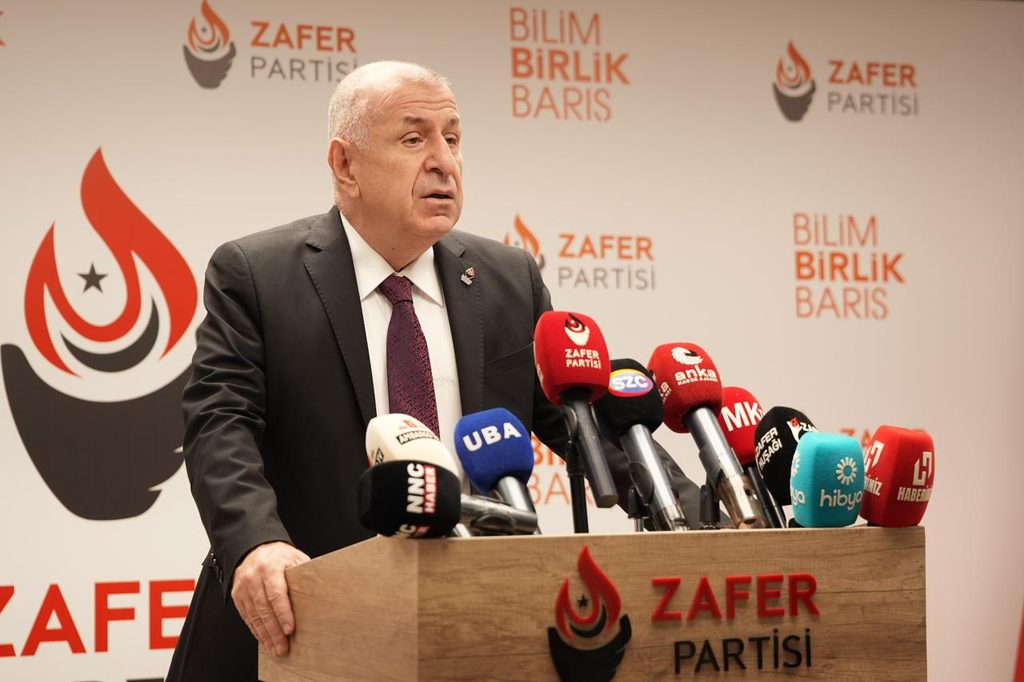
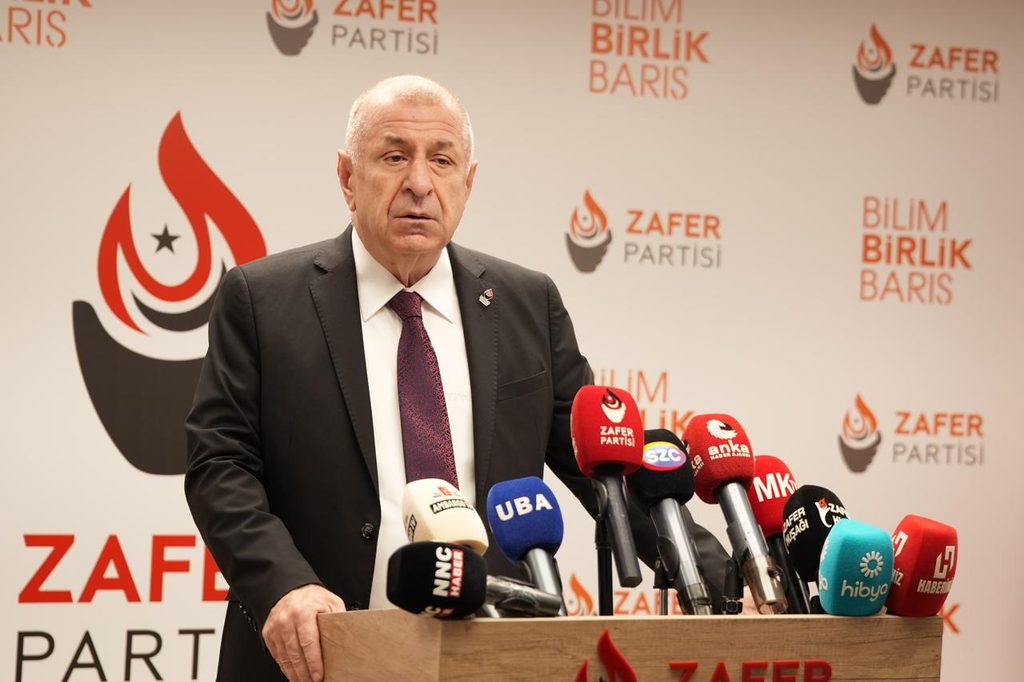
Zafer Partisi Genel Başkanı Prof. Dr. Ümit Özdağ’ın 24 Eylül 2026 tarihli basın toplantısında yaptığı açıklamaların önemli bir bölümü tam da bu noktaya odaklandı.

455 bin yatırımcının gündeme geldiği kriz

Özdağ, konuşmasında 131 fonun işlemlerinin durdurulduğunu ve yaklaşık 455 bin yatırımcının bu süreçten etkilendiğini ifade etti. Ayrıca yaklaşık 20 milyar dolar düzeyinde bir zarardan söz etti.

Buradaki temel soru yalnızca “Ne kadar para kaybedildi?” sorusu değil.

Asıl soru şu:

Bu riskler ne zaman fark edildi ve yatırımcı neden daha erken korunamadı?

Özdağ’ın aktardığı bilgilere göre Sermaye Piyasası Kurulu'nun açıklamasında, 2025 yılının son çeyreğinde bazı fonlarda şüpheli fiyat hareketlerinin gözlendiği belirtiliyor. Konunun 2 Aralık 2025 tarihinde Finansal İstikrar Komitesi'nin gündemine geldiği, 3 Aralık'ta ise SPK bünyesinde bir çalışma grubu oluşturulduğu ifade ediliyor.

İşte tartışmanın en önemli noktası burada ortaya çıkıyor:

Risk daha önce görülmüşse neden sonuç bu noktaya geldi?

Yatırımcıya “piyasa riski” demek yeterli mi?

Finans piyasalarının temel kurallarından biri risk kavramıdır.

Her yatırımın bir riski vardır.

Ancak yatırımcının karşı karşıya olduğu risk ile sistem içerisinde meydana gelen olası manipülasyon veya denetim sorunları aynı şey değildir.

Özdağ da konuşmasında bu ayrımı özellikle vurguluyor ve vatandaşın yalnızca “piyasa riski var” denilerek yaşananların açıklanamayacağını savunuyor.

Bu noktada sıradan yatırımcının durumunu düşünmek gerekiyor.

Emekli maaşından para biriktiren bir vatandaş…

Çocuğunun eğitim masrafını karşılamak için yıllarca tasarruf eden bir aile…

Ev almak için para biriktiren bir çalışan…

İşletmesinin sermayesini değerlendirmek isteyen küçük bir girişimci…

Bunların tamamı finans piyasalarının içinde yer alabilir.

Dolayısıyla finansal sistemde meydana gelen büyük bir sorun, yalnızca profesyonel yatırımcıların veya büyük sermaye sahiplerinin problemi değildir.

Finansal güven, doğrudan vatandaşın hayatına dokunan bir meseledir.
Asıl mesele: Sistem neden çalışmadı?

Özdağ’ın açıklamalarında dikkat çeken noktalardan biri de tartışmayı belirli şirketlerin veya kişilerin üzerine bırakmak yerine daha geniş bir sistem sorgulamasına taşıması.

SPK ne biliyordu?

Ne zamandan itibaren biliyordu?

Hangi tedbirler alındı?

Hangi tedbirler alınmadı?

Hazine ve Maliye Bakanlığı'nın bilgisi neydi?

Finansal İstikrar Komitesi'nde hangi konular görüşüldü?

Borsa İstanbul hangi sinyalleri gördü?

Ve en önemlisi:

Neden aylar boyunca büyüyen risk sonunda küçük yatırımcının üzerine kaldı?

Bu soruların tamamı, finans piyasalarının yalnızca para kazanma alanı olmadığını hatırlatıyor.

Finans piyasalarının temelinde güven vardır.

Para kazanmak başka, sisteme güvenmek başka

Bir yatırımcı yatırım yaparken yalnızca getiriye bakmaz.

Piyasadaki kuralların uygulanacağına, denetim mekanizmalarının çalışacağına, yatırım yaptığı ürünle ilgili bilgilerin doğru olduğuna ve gerektiğinde sistemden çıkabileceğine de güvenmek ister.

Özdağ’ın konuşmasında özellikle 16-17 Eylül tarihlerinde zararına dahi olsa fonlardan çıkmak isteyen yatırımcıların işlem yapamadığı yönündeki iddialar gündeme getiriliyor.

Burada finansal sistem açısından kritik soru ortaya çıkıyor:

Yatırımcı parasını sisteme sokabiliyor ama kriz anında sistemden çıkamıyorsa, yatırımcının sistem hakkındaki güveni ne olur?

İşte bu nedenle mesele yalnızca bir fonun performansı veya borsadaki günlük fiyat hareketleri değildir.

Mesele, finansal sistemin vatandaşta oluşturduğu güven duygusudur.

Yabancı yatırımcı açısından da aynı soru

Türkiye'nin finansman ihtiyacı düşünüldüğünde konu yalnızca yerli yatırımcı açısından da değerlendirilemez.

Özdağ, fon piyasasındaki kriz ile hukuk güvenliği, şeffaflık ve piyasa bütünlüğü arasında bağlantı kuruyor. Yabancı yatırımcının da yüksek getirinin yanında kuralların güvenilir biçimde uygulanmasını, şeffaflığı ve piyasa bütünlüğünü dikkate aldığını belirtiyor.

Bu açıdan bakıldığında finans piyasalarındaki güven kaybı, yalnızca yatırımcının portföyünü değil, ülkenin dış finansman maliyetlerini de ilgilendiren bir konu haline gelebilir.

Ekonomi, enerji ve finans aynı zincirin halkaları

Türkiye'nin enerji ithalatına bağımlılığı da finansal tabloyu daha karmaşık hale getiriyor.

Petrol fiyatlarındaki yükseliş döviz ihtiyacını artırabilir; cari denge, enflasyon ve kur üzerinde baskı oluşturabilir.

Böyle bir ortamda finans piyasalarına ilişkin güven sorununun ortaya çıkması, ekonomik sorunların birbirinden bağımsız olmadığını gösteriyor. Özdağ da konuşmasında enerji fiyatları, döviz ihtiyacı, enflasyon ve fon krizini aynı ekonomik çerçevede ele alıyor.

Yani vatandaşın cebindeki para ile uluslararası piyasalardaki gelişmeler arasında sanıldığından çok daha doğrudan bir bağlantı bulunuyor.

Yatırımcı olmak ne demek?

Belki de bu tartışmanın en önemli tarafı burada.

Bir insan parasını bir fona yatırdığında sadece “yatırımcı” sıfatını kazanmış olmaz.

Aynı zamanda finansal sistemin kurallarına güvenen bir vatandaş haline gelir.

Bu nedenle yatırım kültürünün yalnızca “hangi fon daha çok kazandırıyor?” sorusuna indirgenmemesi gerekiyor.

Risk nedir?

Fon nasıl yönetiliyor?

Denetleyen kurum kim?

Yatırımcı gerektiğinde parasını nasıl çekebilir?

Bilgi ne kadar şeffaf?

Bir problem ortaya çıktığında kim hesap verecek?

Bunlar da en az getiri oranı kadar önemli sorular.

Çünkü para gerçekten iyi bir hizmetkâr olabilir.

Ancak finansal sistemin işleyişi sorgulanmadığında, insanın paraya değil, sistemin kendisine bağımlı hale gelmesi riski ortaya çıkar.

Asıl ihtiyaç güven

Ümit Özdağ’ın 24 Eylül basın toplantısındaki finans bölümünün en önemli mesajı da burada toplanıyor.

Özdağ, yaşananları yalnızca birkaç portföy yönetim şirketi üzerinden değerlendirmenin yeterli olmayacağını; sistemsel, hukuksal, finansal ve yönetimsel hata zincirinin ortaya çıkarılması gerektiğini savunuyor.

Vatandaşın beklentisi ise aslında oldukça basit:

Kurallar uygulansın.

Denetim zamanında yapılsın.

Piyasa şeffaf olsun.

Aynı kurallar herkes için geçerli olsun.

Yatırımcı neyle karşı karşıya olduğunu bilsin.

Çünkü finans piyasalarının en değerli varlığı sadece para değildir.

Güvendir.

Ve güven kaybolduğunda, kaybedilen yalnızca bir yatırım hesabındaki rakamlar olmaz; insanların ekonomik sisteme duyduğu inanç da bundan etkilenir.

yilmazparlar@yahoo.com

Money, Investment and Trust

What Does the Fund Crisis Tell Us?

The question raised by Ümit Özdağ through the fund crisis: Who does the financial system work for?

“Major financial institutions are established to make profits for themselves, not for their customers.”

This statement by Tony Robbins draws attention to one of the fundamental debates in the financial world: Do the interests of those who own the money and those who manage the money always coincide?

Francis Bacon’s centuries-old observation, “Money is a good servant but a bad master,” reveals another dimension of the issue.

Money, when used properly, is a tool that can make people’s lives easier. However, when the desire to make money takes precedence over questioning how the financial system operates, the line between investment and risk can become increasingly blurred.

The fund crisis currently being discussed in Türkiye should therefore not be viewed merely as a matter of financial figures. It also raises questions about investors, supervision, transparency and trust.

A significant part of the statements made by Zafer Party Chairman Prof. Dr. Ümit Özdağ at his press conference on September 24, 2026, focused precisely on this point.

A crisis involving 455,000 investors

In his speech, Özdağ stated that the transactions of 131 funds had been suspended and that approximately 455,000 investors had been affected by the process. He also referred to a loss of approximately 20 billion dollars.

The fundamental question is not only, “How much money was lost?”

The real question is:

When were these risks identified, and why were investors not protected earlier?

According to the information cited by Özdağ, the Capital Markets Board of Türkiye indicated that suspicious price movements had been observed in certain funds during the last quarter of 2025. It was stated that the issue was brought before the Financial Stability Committee on December 2, 2025, and that a working group was established within the Capital Markets Board on December 3.

This is where one of the most important points of the debate emerges:

If the risk had been identified earlier, why did the situation reach this point?

Is telling investors “there is market risk” enough?

One of the fundamental concepts of financial markets is risk.

Every investment carries risk.

However, the risk faced by an investor is not necessarily the same thing as possible manipulation or supervisory problems within the system.

Özdağ particularly emphasizes this distinction in his remarks, arguing that what happened cannot simply be explained to citizens by saying, “There is market risk.”

At this point, it is necessary to consider the situation of ordinary investors.

A citizen saving money from a pension…

A family saving for years to cover their child’s education…

A worker putting money aside to buy a home…

A small entrepreneur seeking to manage and invest the capital of their business…

All of them can participate in financial markets.

Therefore, a major problem within the financial system is not merely an issue for professional investors or large capital holders.

Financial trust is an issue that directly affects citizens’ lives.

The real issue: Why did the system fail?

One of the notable aspects of Özdağ’s statements is that he moves the discussion beyond specific companies or individuals and toward a broader examination of the system.

What did the Capital Markets Board know?

When did it know?

What measures were taken?

What measures were not taken?

What did the Ministry of Treasury and Finance know?

What issues were discussed within the Financial Stability Committee?

What signals did Borsa İstanbul observe?

And most importantly:

Why did the risk, which had been growing for months, ultimately fall on small investors?

All these questions remind us that financial markets are not merely places for making money.

At the foundation of financial markets lies trust.

Making money is one thing; trusting the system is another

When making an investment, an investor does not look only at potential returns.

The investor also wants to trust that market rules will be enforced, that supervisory mechanisms will function, that information about the investment product is accurate, and that they will be able to exit the system when necessary.

Özdağ’s speech also raised allegations that investors who wanted to withdraw from funds, even at a loss, were unable to complete transactions on September 16–17.

This raises a critical question for the financial system:

If an investor can put money into the system but cannot withdraw it when a crisis occurs, what happens to that investor’s trust in the system?

For this reason, the issue is not merely the performance of a particular fund or daily price movements in the stock market.

The issue is the sense of trust that the financial system creates among citizens.

The same question applies to foreign investors

Given Türkiye’s need for financing, the issue cannot be evaluated solely from the perspective of domestic investors.

Özdağ connects the crisis in the fund market with legal certainty, transparency and market integrity. He also points out that foreign investors consider not only high returns, but also the reliable implementation of rules, transparency and market integrity.

From this perspective, a loss of confidence in financial markets can affect not only an investor’s portfolio but potentially the country’s external financing costs as well.

The economy, energy and finance are links in the same chain

Türkiye’s dependence on energy imports makes the financial picture even more complex.

Higher oil prices can increase the need for foreign currency and put pressure on the current account balance, inflation and the exchange rate.

In such an environment, the emergence of a confidence problem in financial markets shows that economic problems are not necessarily independent of one another. In his speech, Özdağ also addresses energy prices, foreign-currency requirements, inflation and the fund crisis within the same broader economic framework.

In other words, there is a much more direct connection than might be assumed between the money in citizens’ pockets and developments in international markets.

What does it mean to be an investor?

Perhaps this is the most important aspect of the debate.

When a person invests money in a fund, they do not simply acquire the status of an “investor.”

They also become a citizen who places trust in the rules of the financial system.

For this reason, investment culture should not be reduced merely to the question, “Which fund provides the highest return?”

What is the risk?

How is the fund managed?

Who is responsible for supervision?

How can an investor withdraw their money when necessary?

How transparent is the information?

Who will be held accountable if a problem arises?

These questions are at least as important as the rate of return.

Because money can indeed be a good servant.

But when the functioning of the financial system is not questioned, there is a risk that people may become dependent not on their money, but on the system itself.

The real need is trust

The central message of the financial section of Ümit Özdağ’s September 24 press conference can also be found here.

Özdağ argues that it is not sufficient to evaluate what happened solely through several portfolio management companies, and that the chain of systemic, legal, financial and administrative failures needs to be brought to light.

The expectation of citizens is actually quite simple:

Rules must be enforced.

Supervision must take place on time.

The market must be transparent.

The same rules must apply to everyone.

Investors must know what they are facing.

Because the most valuable asset in financial markets is not simply money.

It is trust.

And when trust is lost, what disappears is not merely a figure in an investment account; people’s confidence in the economic system itself can also be affected.

yilmazparlar@yahoo.com

9/15/26

Atelier Ist -Siirt Moda-Yılmaz Parlar

  Siirt’in Kadim Mirası Moda Ve Gastronomiyle Buluştu

“Yeniden Siirt” Koleksiyonu Basınla Paylaşıldı

Atelier Ist Aycan Öktem ve Partner Teknik Group, Siirt’in Tarihsel Motiflerini ve Gastronomisini Markalaştırma Misyonuyla Bir Araya Geldi

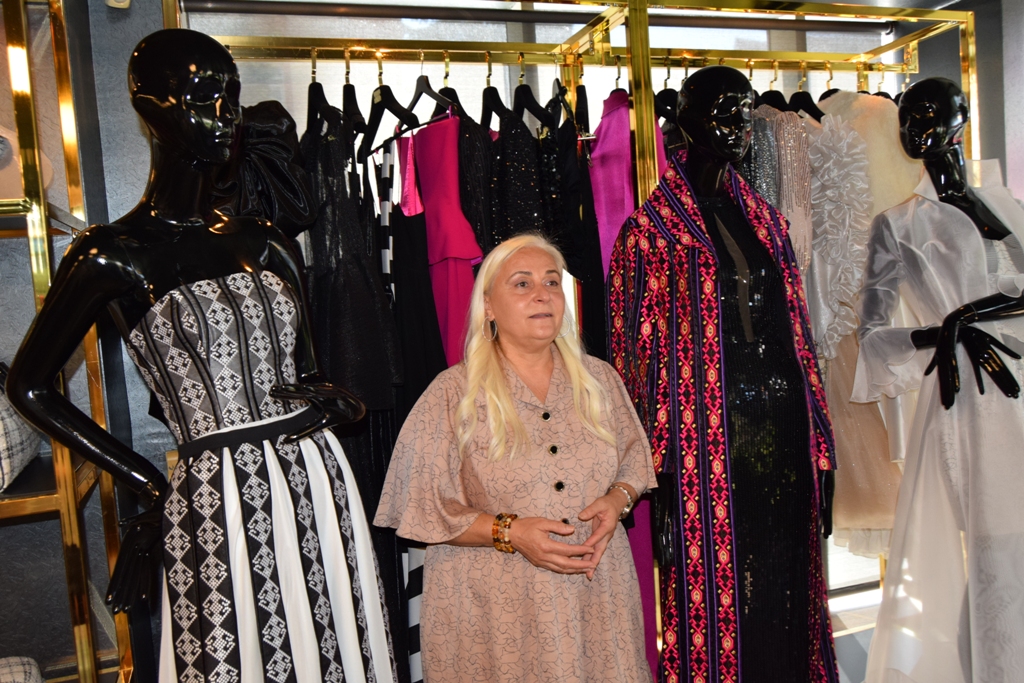
Siirt’in köklü tarihini, kültürel mirasını ve eşsiz lezzetlerini dünyaya tanıtma vizyonuyla yola çıkan Atelier Ist Aycan Öktem ve Partner Teknik Group, “Yeniden Siirt” koleksiyonunu düzenledikleri basın toplantısıyla tanıttı. Toplantıda, Siirt’in gastronomisi ile tekstil tasarımı iç içe geçti; yöresel lezzetler konuklara sunuldu.

Böylesine anlamlı bir misyonu üstlenen bu iş birliği, hem kültürel mirasın korunması hem de Siirt’in markalaşması adına örnek bir adım olarak öne çıkıyor.

Güneydoğu Anadolu’nun kadim şehri Siirt, bu kez moda ve gastronomi aracılığıyla dünya sahnesine taşınıyor. Atelier Ist Aycan Öktem ve Partner Teknik Group iş birliğiyle hayata geçirilen “Yeniden Siirt” koleksiyonu, Siirt’in binlerce yıllık tarihini, arkeolojik mirasını, el sanatlarını ve gastronomik zenginliklerini çağdaş bir yorumla buluşturuyor. Proje, yalnızca bir moda koleksiyonu değil; aynı zamanda Siirt’in kültürel kodlarını, kaybolmaya yüz tutmuş güzelliklerini ve yöresel lezzetlerini markalaştırma yolunda atılmış güçlü bir adım.

Gastronomi Ve Tekstil İç İçe: Siirt Lezzetleri Sahnede

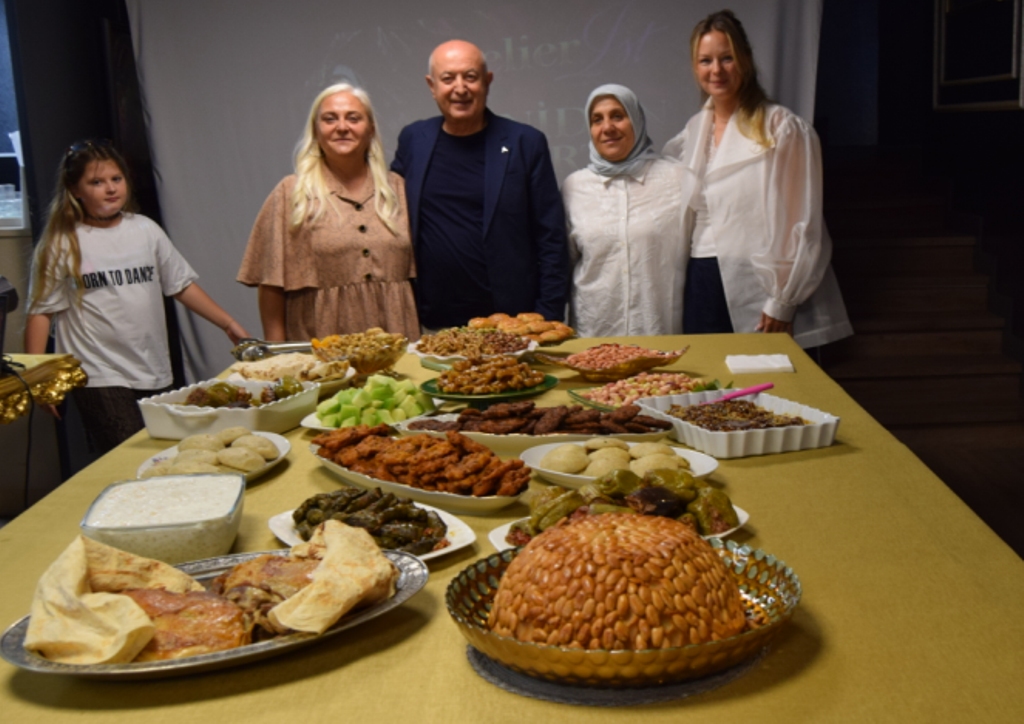
Basın toplantısının en dikkat çekici unsurlarından biri, Siirt’in yöresel lezzetlerinin özenle hazırlanarak konuklara sunulması oldu. İçli köfte, cevizli sucuk, pekmezli tatlılar, Siirt’e özgü ekşi cephan kavunu ve daha birçok yöresel lezzet, gastronomi ile tekstilin iç içe geçtiği bir atmosferde ikram edildi. Bu sunum, Siirt mutfağının zenginliğini ve gastronomi turizmi potansiyelini gözler önüne serdi. Katılımcılar, Siirt fıstığının baklavada değil, kendi başına bir lezzet olarak hak ettiği yeri bulması gerektiğini vurguladı.

“Yeniden Siirt”: 56 Parçalık Koleksiyon

Siirt’in plaka numarası olan 56’dan ilhamla hazırlanan koleksiyon, 56 parça + 1 final kıyafetinden oluşuyor. Koleksiyonun tasarımcısı Aycan Öktem, her bir parçanın Siirt’in tarihsel motiflerinden, kilim desenlerinden, Güsur Höyük’ten çıkarılan fosil motiflerden ve Siirt’in mimari dokusundan izler taşıdığını belirtti. Tamamen organik kumaşlar kullanılarak hazırlanan koleksiyonda; saten, şifon, brokar, ipek ve payet gibi malzemeler yer alıyor. Kök boyalarla renklendirilen kumaşlar, sıfır atık prensibiyle üretiliyor; artan parçalar çanta ve cüzdan gibi aksesuarlara dönüştürülüyor.

Aycan Öktem, koleksiyonun lansmanını 14 Eylül Siirt’in Kurtuluş Günü’nde yapmaktan büyük mutluluk duyduğunu ifade ederek, “Siirt’in kaybolmuş güzelliklerini yeniden yüz yüze çıkarmak istiyorum. Bu bir ahde vefa örneği” dedi. Öktem, koleksiyonun gelirinin Siirt’te okuyamayan kız çocuklarının eğitimi için kullanılacağını da sözlerine ekledi.

25 Eylül’de Cemile Sultan Korusu’nda Özel Defile

“Yeniden Siirt” koleksiyonu, 25 Eylül’de Cemile Sultan Korusu’nda gerçekleşecek özel defileyle görücüye çıkacak. Defilenin sunuculuğunu, aynı zamanda yazdığı kitabı basın mensuplarına imzalayarak hediye eden TV program yapımcısı ve sunucusu Aynur Ayaz üstlenecek. Ayaz’ın “Sakız Ağacının Gözyaşları” adlı kitabı, acıyla yoğrulan, sabırla derinleşen ve zamanla olgunlaşan bir aşkın hikâyesini şiirsel bir dille anlatıyor. Kitap, sakız ağacının kendi içine akıttığı gözyaşları metaforu üzerinden insan ruhunun derinliklerine iniyor.

Partner Teknik Group’tan 25. Yıl Gururu

Basın toplantısında, projenin ana destekçilerinden Partner Teknik Group’un 25. yıl kutlaması da gündeme geldi. Mühendislik ve endüstriyel proje sektöründe çeyrek asrı geride bırakan grup, çimento, enerji, demir-çelik ve endüstriyel tesis yatırımlarında Türkiye’yi uluslararası pazarda temsil ediyor. Group Yönetim Kurulu Başkanı Hüseyin Öktem, 25. yıl vesilesiyle yaptığı açıklamada, dijitalleşme, veri odaklı yönetim ve sürdürülebilir mühendislik uygulamalarının yeni dönem stratejilerinin merkezinde yer aldığını vurguladı.

Siirt’in Markalaşma Yolculuğu: Önce Türkiye, Sonra Dünya

Atelier Ist Aycan Öktem ve Partner Teknik Group, Siirt’i bir marka şehir haline getirme hedefiyle yola çıktı. Projenin öncelikli amacı, Siirt’in tarihsel ve kültürel mirasını koruyarak görünürlüğünü artırmak; ardından Türkiye’ye ve dünyaya açılmak. Aycan Öktem, “Siirt’ten başlayarak önce Türkiye’ye, sonra dünyaya açılmayı hedefliyoruz. Uluslararası markalarla iş birliği yaparak Siirt’in değerlerini global ölçekte tanıtmak istiyoruz” dedi.

Bu vizyon, yalnızca tekstil ve gastronomi alanında değil; aynı zamanda kültürel mirasın gelecek nesillere aktarılması, sıfır atık bilincinin yaygınlaştırılması ve yerel ekonomiyi canlandırma açısından da büyük önem taşıyor. Siirt’in kadim coğrafyası, tarihi, kültürü ve lezzetleri, çağdaş tasarım diliyle yeniden hayat buluyor.

“Yeniden Siirt”, bir şehrin hafızasını moda ve gastronomi aracılığıyla geleceğe taşıyan, toplumsal sorumluluk bilinciyle yoğrulmuş bir kültür girişimi olarak dikkat çekiyor. 25 Eylül’de gerçekleşecek defile, bu anlamlı yolculuğun en görkemli adımı olacak.

yilmazparlar@yahoo.com

Siirt’s Ancient Heritage Meets Fashion and Gastronomy

“Yeniden Siirt” Collection Shared with the Press

Atelier Ist Aycan Öktem and Partner Teknik Group Came Together with the Mission of Branding Siirt’s Historical Motifs and Gastronomy

Setting out with the vision of introducing Siirt’s deep-rooted history, cultural heritage and unique flavors to the world, Atelier Ist Aycan Öktem and Partner Teknik Group presented the “Yeniden Siirt” collection at a press conference they organized. At the meeting, Siirt’s gastronomy and textile design intertwined; local flavors were served to the guests.

This collaboration, which undertakes such a meaningful mission, stands out as an exemplary step both for the preservation of cultural heritage and for the branding of Siirt.

The ancient city of Siirt in Southeastern Anatolia is this time being carried to the world stage through fashion and gastronomy. The “Yeniden Siirt” collection, brought to life through the collaboration of Atelier Ist Aycan Öktem and Partner Teknik Group, brings together Siirt’s thousands of years of history, archaeological heritage, handicrafts and gastronomic richness with a contemporary interpretation. The project is not only a fashion collection; it is also a strong step taken toward branding Siirt’s cultural codes, its beauties on the verge of disappearing, and its local flavors.

Gastronomy and Textile Intertwined: Siirt Flavors on Stage

One of the most striking elements of the press conference was the careful preparation and serving of Siirt’s local flavors to the guests. İçli köfte, cevizli sucuk, molasses desserts, Siirt’s unique sour cephan melon and many more local flavors were served in an atmosphere where gastronomy and textile intertwined. This presentation revealed the richness of Siirt cuisine and its gastronomy tourism potential. Participants emphasized that Siirt pistachio should find its rightful place as a flavor on its own, not in baklava.

“Yeniden Siirt”: A 56-Piece Collection

Inspired by Siirt’s license plate number 56, the collection consists of 56 pieces + 1 final outfit. The designer of the collection, Aycan Öktem, stated that each piece carries traces of Siirt’s historical motifs, kilim patterns, fossil motifs unearthed from Güsur Höyük, and Siirt’s architectural texture. Prepared entirely using organic fabrics, the collection includes materials such as satin, chiffon, brocade, silk and sequins. The fabrics, colored with vegetable dyes, are produced with a zero-waste principle; the remaining pieces are transformed into accessories such as bags and wallets.

Aycan Öktem expressed her great happiness in making the launch of the collection on September 14, Siirt’s Liberation Day, saying, “I want to bring Siirt’s lost beauties back to the surface. This is an example of loyalty and fidelity.” Öktem also added that the income of the collection will be used for the education of girls in Siirt who cannot attend school.

Special Fashion Show at Cemile Sultan Grove on September 25

The “Yeniden Siirt” collection will be unveiled with a special fashion show to be held at Cemile Sultan Grove on September 25. The presentation of the fashion show will be hosted by TV program producer and presenter Aynur Ayaz, who also signed and gifted her book to members of the press. Ayaz’s book titled “Sakız Ağacının Gözyaşları” (The Tears of the Mastic Tree) tells the story of a love kneaded with pain, deepened with patience and matured over time, in a poetic language. The book delves into the depths of the human soul through the metaphor of the tears the mastic tree sheds into itself.

25th Year Pride from Partner Teknik Group

At the press conference, the 25th anniversary celebration of Partner Teknik Group, one of the main supporters of the project, was also brought to the agenda. Having left a quarter of a century behind in the engineering and industrial project sector, the group represents Turkey in the international market in cement, energy, iron-steel and industrial facility investments. Group Chairman of the Board Hüseyin Öktem, in his statement on the occasion of the 25th anniversary, emphasized that digitalization, data-driven management and sustainable engineering practices are at the center of the new era strategies.

Siirt’s Branding Journey: First Turkey, Then the World

Atelier Ist Aycan Öktem and Partner Teknik Group set out with the goal of making Siirt a brand city. The primary aim of the project is to preserve Siirt’s historical and cultural heritage and increase its visibility; then to open up to Turkey and the world. Aycan Öktem said, “Starting from Siirt, we aim to open first to Turkey, then to the world. We want to introduce Siirt’s values on a global scale by collaborating with international brands.”

This vision is of great importance not only in the fields of textile and gastronomy, but also in terms of transferring cultural heritage to future generations, spreading zero-waste awareness and revitalizing the local economy. Siirt’s ancient geography, history, culture and flavors are being revived with a contemporary design language.

“Yeniden Siirt” draws attention as a cultural initiative that carries a city’s memory to the future through fashion and gastronomy, kneaded with social responsibility awareness. The fashion show to be held on September 25 will be the most magnificent step of this meaningful journey.

yilmazparlar@yahoo.com

9/11/26

Ümit Özdağ’dan Ekonomide Yeni Hamle-Yılmaz Parlar


Zafer Ekonomisi Programı Geliyor

Zafer Partisi, ekonomi politikalarında kendi alternatif modelini kamuoyunun gündemine taşımaya hazırlanıyor.

Özdağ, “Zafer Ekonomisi Programı”nın bu ay paylaşılacağını açıkladı.

Zafer Partisi Genel Başkanı Prof. Dr. Ümit Özdağ, Türkiye gündemine ilişkin değerlendirmelerde bulunurken, partisinin ekonomi alanındaki hazırlıklarını da kamuoyuyla paylaştı.

Özdağ, yalnızca mevcut ekonomik politikalara yönelik eleştirilerle yetinmek yerine, Zafer Partisi’nin kendi ekonomi programını kamuoyunun tartışmasına açacağını açıkladı.

“Zafer Ekonomisi Programı” Kamuoyuna Sunulacak

Özdağ’ın açıklamasına göre, “Zafer Ekonomisi Programı” adı verilen çalışma hazırlanmış durumda ve programın bu ay kamuoyuyla paylaşılması planlanıyor.

Özdağ, programın basılı hale getirildiğini belirterek, ekonomi kuruluşlarına da ulaştırılacağını ifade etti. Zafer Partisi’nin ekonomi ekibinin ilgili kuruluşları ziyaret ederek programın içeriğini anlatacağını kaydeden Özdağ, temel hedefin Türkiye’nin üretim ekonomisine geçişine yönelik parti politikalarını ortaya koymak olduğunu söyledi.

Bu açıklama, Zafer Partisi açısından ekonomik tartışmada dikkat çekici bir başlık oluştururken, partinin ekonomi politikalarını yalnızca iktidarın uygulamalarına yönelik eleştiriler üzerinden değil, kendi önerileri üzerinden de gündeme taşıma hazırlığında olduğunu gösteriyor.

Tartışmanın Merkezine “Üretim Ekonomisi”ni Koyuyor

Özdağ, basın toplantısında Türkiye ekonomisinin mevcut görünümüne ilişkin çeşitli değerlendirmelerde de bulundu.

Özdağ’ın açıklamalarında; enflasyon hedefleri, vatandaşın satın alma gücü, işsizlik, vergiler, gelir dağılımı, tarım, eğitim ve ekonomik hedefler gibi başlıklar geniş yer aldı. Mevcut ekonomi politikalarının Türkiye’nin yapısal sorunlarını çözmekte yetersiz kaldığını savunan Özdağ, ekonomik yükün vatandaş üzerindeki etkilerine dikkat çekti.
Ancak basın toplantısının ekonomi açısından en dikkat çekici mesajı, bu eleştirilerin ardından Zafer Partisi’nin kendi ekonomik modelini ortaya koyacağını açıklaması oldu.

Köprü ve Otoyollar İçin Özelleştirme Eleştirisi

Özdağ’ın gündeminde kamu varlıklarına ilişkin kararlar da vardı.

Resmî Gazete’de yayımlanan kararla iki Boğaz köprüsü, sekiz otoyol ve dört çevre yolunun özelleştirme programına alınmasına ilişkin değerlendirmelerde bulunan Özdağ, söz konusu uygulamaya karşı çıktı.

Özdağ, bu varlıkların uzun süreli işletme hakkının devredilmesinin kamu açısından gelecekte gelir kaybına yol açabileceğini savundu ve köprü ile otoyollardan elde edilebilecek gelirlerin kamu kaynakları açısından önemine dikkat çekti.

Bu değerlendirmeler, Zafer Partisi’nin ekonomi yaklaşımında kamu kaynakları, üretim, gelir dağılımı ve uzun vadeli ekonomik planlama başlıklarının öne çıktığına ilişkin bir çerçeve oluşturdu.

Ekonomi Programı Sahaya İnecek

“Zafer Ekonomisi Programı”nın açıklanmasının ardından ekonomik kuruluşlarla temas kurulacak olması da programın yalnızca yazılı bir metin olarak kalmayacağını ortaya koyuyor.

Özdağ, parti ekonomi ekibinin kuruluşları ziyaret ederek programı anlatacağını açıkladı. Böylece Zafer Partisi’nin ekonomi politikalarının iş dünyası ve ekonomik kuruluşlarla doğrudan paylaşılması hedefleniyor.

Bu yönüyle program, önümüzdeki dönemde Zafer Partisi’nin siyasi gündeminde önemli başlıklardan biri olmaya aday görünüyor.

Ekonomiden Siyasete Uzanan Geniş Gündem

Özdağ’ın 10 Eylül tarihli “Türk Milleti Basın Toplantısı”nda ekonomi dışında Türkiye’nin siyasi ve hukuki gündemine ilişkin değerlendirmeler de yer aldı.

Özdağ, partisinin önümüzdeki hafta Türkiye genelinde yazılı bir açıklama ve imza kampanyası başlatacağını, vatandaşların PKK’nın affı ve anayasa değişiklikleri konusundaki görüşlerinin alınacağını açıkladı. Kampanyanın ardından konunun meydanlarda ve sahada gündeme taşınacağını belirtti.

Hukuk devleti ve yargı başlıklarında da değerlendirmelerde bulunan Özdağ, Türkiye’nin geleceği açısından hukuk güvenliği ve demokratik kurumların önemine ilişkin görüşlerini dile getirdi.

Yeni Dönemin Ekonomi Başlığı

Zafer Partisi açısından “Zafer Ekonomisi Programı”nın açıklanması, partinin önümüzdeki dönemde ekonomik tartışmalarda kendi çözüm önerilerini daha görünür hale getirmesi açısından yeni bir aşama olarak değerlendirilebilir.

Özdağ’ın açıklamasında öne çıkan temel unsur, eleştirinin ötesine geçerek alternatif bir ekonomi programının kamuoyunun önüne konulacak olması.

Programın bu ay kamuoyuyla paylaşılması ve ardından ekonomi kuruluşlarına yönelik ziyaretlerin başlamasıyla birlikte, Zafer Partisi’nin ekonomi politikalarının ayrıntıları da daha geniş biçimde tartışılabilecek.

Türkiye’nin ekonomik geleceğine ilişkin siyasi tartışmanın, önümüzdeki dönemde yalnızca mevcut uygulamaların sonuçları üzerinden değil, hangi ekonomik modelin Türkiye’yi üretime, istihdama ve sürdürülebilir büyümeye taşıyacağı üzerinden şekillenmesi bekleniyor.

Zafer Partisi ise bu tartışmaya “Zafer Ekonomisi Programı” ile kendi perspektifini koymaya hazırlanıyor.

yilmazparlar@yahoo.com

Ümit Özdağ Unveils New Economic Initiative

“Victory Economy Program” Set to Be Unveiled

The Victory Party is preparing to bring its own alternative economic model to the public agenda as part of its efforts to develop new economic policies.

Victory Party Chairman Prof. Dr. Ümit Özdağ announced that the party’s “Victory Economy Program” will be made public this month.

While addressing current issues in Turkey, Özdağ also shared details of his party’s preparations in the field of economics.

Rather than limiting its approach to criticism of existing economic policies, Özdağ said that the Victory Party would present its own economic program for public discussion.

“Victory Economy Program” to Be Presented to the Public

According to Özdağ, the “Victory Economy Program” has already been prepared and is scheduled to be released to the public this month.

Özdağ stated that the program had been printed and would also be delivered to economic organizations. He said that the party’s economic team would visit relevant institutions to explain the program, with the main objective being to outline the party’s policies for transitioning Turkey toward a production-based economy.

The announcement creates a notable new dimension in the Victory Party’s economic agenda, indicating that the party intends to put forward its own proposals rather than focusing solely on criticism of the government’s economic policies.

“Production Economy” at the Center of the Debate

Özdağ also addressed various aspects of Turkey’s current economic situation during the press conference.

His remarks covered issues including inflation targets, citizens’ purchasing power, unemployment, taxation, income distribution, agriculture, education and economic objectives. Özdağ argued that current economic policies were insufficient to resolve Turkey’s structural problems and drew attention to the impact of the economic burden on citizens.

However, one of the most notable economic messages of the press conference was the announcement that the Victory Party would put forward its own economic model following these criticisms.

Criticism of the Privatization of Bridges and Highways

Özdağ also addressed decisions concerning public assets.

Commenting on the decision published in the Official Gazette to include two Bosphorus bridges, eight highways and four ring roads in the privatization program, Özdağ opposed the move.

He argued that transferring long-term operating rights could result in future revenue losses for the public sector and emphasized the importance of revenues generated by bridges and highways as a public resource.

These remarks point to a broader framework in the Victory Party’s economic approach, in which public resources, production, income distribution and long-term economic planning are expected to play a prominent role.

Economic Program to Reach the Field

The planned engagement with economic organizations following the release of the “Victory Economy Program” indicates that the initiative is not intended to remain merely a written document.

Özdağ said that the party’s economic team would visit relevant organizations to present and explain the program. The aim is to communicate the Victory Party’s economic policies directly to the business community and economic institutions.

In this respect, the program is expected to become one of the significant issues on the Victory Party’s political agenda in the coming period.

A Broader Agenda from Economics to Politics

Özdağ’s September 10 “Turkish Nation Press Conference” also included assessments of Turkey’s political and legal agenda in addition to economic issues.

Özdağ announced that the party would launch a nationwide written statement and signature campaign the following week to gather citizens’ views on the issue of a possible amnesty for the PKK and proposed constitutional changes. He stated that the issue would subsequently be brought to public squares and addressed through field activities.

Addressing the rule of law and judiciary, Özdağ also expressed his views on the importance of legal certainty and democratic institutions for Turkey’s future.

A New Economic Chapter

For the Victory Party, the announcement of the “Victory Economy Program” may represent a new stage in making its own economic proposals more visible in the country’s economic debate.

The central element of Özdağ’s announcement is the intention to move beyond criticism and place an alternative economic program before the public.

With the program expected to be released this month and subsequent visits to economic organizations planned, the details of the Victory Party’s economic policies are likely to become the subject of broader discussion.

Turkey’s economic debate is expected to increasingly focus not only on the results of current policies, but also on which economic model can move the country toward production, employment and sustainable growth.

The Victory Party is preparing to contribute its own perspective to this debate through its “Victory Economy Program.”

 yilmazparlar@yahoo.com

İTO Eylül 2026 Meclis Toplantısı-Yılmaz Parlar


 Üretim Kapasitesini Korumak Dezenflasyon Kadar Önemli

Şekib Avdagiç, Yeni dönem “sıkı para + seçici kredi + üretim desteği” üçgeninde şekilleniyor

İstanbul Ticaret Odası’nın (İTO) Eylül 2026 Meclis Toplantısı, 10 Eylül 2026 Perşembe günü gerçekleştirilirken, toplantının gündeminde Türkiye ekonomisinin görünümü, küresel ekonomik riskler, enflasyon, üretim kapasitesi, finansmana erişim, Orta Vadeli Program (OVP) ve yapay zekâ yatırımları öne çıktı.

İTO Başkanı Şekib Avdagiç, ekonomi yönetiminin artık yalnızca talebi soğutmaya değil, ekonominin üretim kapasitesini korumaya da odaklandığını belirterek, yeni dönemin yaklaşımının giderek “sıkı para + seçici kredi + üretim desteği” üçgeninde şekillendiğini söyledi.

Avdagiç, ekonomi politikasının başarısının yalnızca enflasyonun düşürülmesiyle değil, fiyat istikrarı, üretim kapasitesi ve rekabet gücü arasındaki dengenin korunmasıyla ölçüleceğini vurguladı. “Dezenflasyonun direksiyonunu bırakmadan ekonominin motorunu yeniden hızlandırmak” gerektiğine dikkat çeken Avdagiç, üretim kapasitesinin korunmasının artık dezenflasyon kadar önemli bir politika hedefi haline geldiğini ifade etti.

Yapay zekâ ekonominin merkezinde

Küresel ekonomideki gelişmelerin ortak bir noktaya işaret ettiğini belirten Avdagiç, büyüme ivmesi yakalayan ülkelerin yapay zekâya yatırım yapan ülkeler olduğunu söyledi.

Üniversitelere çağrıda bulunan Avdagiç, gelecekte yalnızca yapay zekâ uzmanlarının yetiştirilmesinin yeterli olmayacağını belirterek, farklı sektörlerde çalışan beyaz ve mavi yakalıların da yapay zekânın kullanımına ilişkin bilgi sahibi olması gerektiğini kaydetti. Bu nedenle üniversitelerin yapay zekâ konusundaki müfredatlarını geliştirmelerinin önemine dikkat çekti.

Enflasyon geriliyor ancak küresel maliyet baskıları sürüyor

Türkiye ekonomisine ilişkin değerlendirmesinde, Türkiye’nin bir yandan dezenflasyon programını sürdürürken diğer yandan büyüme ve üretim kapasitesini koruma çabasını öne çıkardığını belirten Avdagiç, ağustos ayı enflasyon verilerine de değindi.

Ağustos ayında tüketici enflasyonunun aylık yüzde 1,84, yıllık yüzde 31,51 olarak gerçekleştiğini hatırlatan Avdagiç, enflasyonun gerilemesine rağmen enerji fiyatlarındaki yükseliş ve küresel maliyet baskılarının dezenflasyon sürecinin önemli sınamalarla karşı karşıya olduğunu gösterdiğini söyledi.

Petrol fiyatları Türkiye için stratejik değişken

Petrol fiyatlarının Türkiye ekonomisi üzerindeki çok yönlü etkisine dikkat çeken Avdagiç, petrolün 90-100 dolar bandında kalıcı hale gelmesinin Türkiye açısından aynı anda enflasyon, cari açık ve para politikası üzerinde baskı oluşturabileceğini belirtti.

Petrol fiyatlarındaki kalıcı yükselişin akaryakıt ve ulaştırma maliyetlerini artırmasının yanı sıra üretimin enerji faturasını da büyüteceğini ifade eden Avdagiç, enerji ithalatındaki artışın cari denge üzerinde olumsuz etki yaratacağını söyledi.

Avdagiç’e göre petrol fiyatı bu nedenle yalnızca bir emtia fiyatı olmaktan çıkarak Türkiye’nin enflasyonunu, cari açığını ve faiz politikasını aynı anda etkileyen stratejik bir değişkene dönüşüyor.

Finansman ve üretim desteği vurgusu

Para politikasındaki mevcut duruşa da değinen Avdagiç, Türkiye Cumhuriyet Merkez Bankası’nın yüzde 37’lik politika faizi ile kredi büyümesine yönelik makroihtiyati sınırların finansal koşulları sıkı tutmaya devam ettiğini belirtti.

Bununla birlikte ekonomi yönetiminin üretim kapasitesini korumaya yönelik yaklaşımını önemli bulduğunu ifade eden Avdagiç, Yatırım Taahhütlü Avans Kredisi (YTAK) kaynak limitinin 750 milyar liraya çıkarılmasını, KOSGEB’in istihdam koruma desteğinin imalat sektörünün tamamına genişletilmesini, işletmelere daha uzun vadeli ve avantajlı finansman sağlanmasını ve Eximbank’ın ihracat finansman hedefinin 59 milyar dolara yükseltilmesini önemli adımlar olarak değerlendirdi.

Avdagiç ayrıca enerji maliyetlerine sürekli sübvansiyon verilmesi yerine enerji verimliliği yatırımlarının finanse edilmesi gerektiğini belirterek; yatırım, teknoloji, ihracat, Ar-Ge ve istihdamı artıran şirketlerin önceliklendirilmesi gerektiğini söyledi.

OVP’ye destek

Cumhurbaşkanı Yardımcısı Cevdet Yılmaz tarafından açıklanan 2027-2029 dönemi Orta Vadeli Program’a da değinen Avdagiç, programda yer alan temel hedef ve politikaların hayata geçirilmesinin üretim ekonomisinin korunması ve yeni yatırımlar açısından büyük önem taşıdığını ifade etti.

Avdagiç, işletmelerin finansmana erişiminin kolaylaştırılması, verimlilik ve teknoloji yoğun yatırımların desteklenmesi, enerji, hammadde, işgücü, makine ve lojistik maliyetlerinin azaltılması, kaynakların etkin kullanılması, nitelikli işgücünün yetiştirilmesi, sanayinin ihtiyaçlarıyla eğitim ve işgücü yapısının uyumunun güçlendirilmesi, yeni pazarlara açılım ve ihracat kapasitesinin artırılması gibi politika tercihlerini olumlu karşıladıklarını belirtti.

İstanbul kongre turizminde yükselişini sürdürüyor

İTO Meclis toplantısında İstanbul’un kongre turizmine ilişkin gelişmeler de gündeme geldi.

Şekib Avdagiç, İstanbul Kongre ve Ziyaretçi Bürosu’nun (ICVB) kente kazandırdığı iki büyük uluslararası kongrenin aynı dönemde İstanbul’da gerçekleştirildiğini ve bu organizasyonlar kapsamında 12 bin 500 kişinin kentte ağırlandığını açıkladı.

33.Dünya Buiatri Kongresi ile 23. Dünya Otorinolarengoloji Baş-Boyun Cerrahisi Kongresi’nin (IFOS 2026) İstanbul ekonomisine ilk etapta 50 milyon doların üzerinde katkı sağlamasının beklendiğini belirten Avdagiç, çarpan etkisiyle bu katkının daha da artabileceğini söyledi.

İstanbul’un uluslararası kongre turizmindeki yükselişinin sürdüğünü belirten Avdagiç, kentin geçen yıl 95 uluslararası kongreye ev sahipliği yaptığını, Avrupa’da 13’üncü, dünyada ise 18’inci sıraya yükselerek son 10 yılın zirvesine çıktığını kaydetti.

Avdagiç, İstanbul’un marka değerini artırmak ve kongre ile toplantı turizmi potansiyelini geliştirmek amacıyla çalışmaların kararlılıkla sürdürüleceğini ifade etti.

Ekonomide yeni hedef: Dengeyi koruyarak büyümeyi hızlandırmak

İTO Başkanı Şekib Avdagiç’in değerlendirmeleri, ekonomi politikalarında dezenflasyon hedefi ile üretim ve yatırım kapasitesinin korunmasının birlikte ele alınmasının önemine işaret etti.

Avdagiç’in ortaya koyduğu çerçevede önümüzdeki dönemin temel hedefi; fiyat istikrarını gözetirken üretim kapasitesini korumak, rekabet gücünü artırmak, yatırımları desteklemek ve Türkiye ekonomisinin büyüme motorunu yeniden güçlendirmek olarak öne çıkıyor.

yilmazparlar@yahoo.com

ITO September 2026 Assembly Meeting

ITO Assembly Focuses on Economy

 Protecting Production Capacity Is as Important as Disinflation

Şekib Avdagiç, The new approach is taking shape around “tight monetary policy + selective credit + production support”

The September 2026 Assembly Meeting of the Istanbul Chamber of Commerce (ITO) was held on Thursday, September 10, with Türkiye’s economic outlook, global economic risks, inflation, production capacity, access to finance, the Medium-Term Program (MTP) and investments in artificial intelligence among the key topics on the agenda.

ITO President Şekib Avdagiç said economic policymakers are now focusing not only on cooling demand but also on protecting the economy’s production capacity. He stated that the new approach is increasingly taking shape around the triangle of “tight monetary policy + selective credit + production support.”

Avdagiç emphasized that the success of economic policy should not be measured solely by the decline in inflation, but by maintaining a balance between price stability, production capacity and competitiveness. He said that “accelerating the engine of the economy without giving up the steering wheel of disinflation” would be one of the most important challenges of the coming period.

Artificial intelligence at the center of the global economy

Avdagiç said developments in the global economy point to a common trend, noting that countries achieving stronger growth momentum are those investing in artificial intelligence.

Calling on universities to adapt to this transformation, Avdagiç said it would not be sufficient to train only artificial intelligence specialists. He stressed that white-collar workers across different sectors, as well as many blue-collar workers, should also acquire knowledge about the use of artificial intelligence.

He therefore called for university curricula to be further developed in the field of artificial intelligence.

Inflation is declining, but global cost pressures remain

Assessing the Turkish economy, Avdagiç said Türkiye is continuing its disinflation program while increasingly emphasizing efforts to preserve economic growth and production capacity.

Referring to the latest inflation figures, he noted that consumer inflation stood at 1.84 percent month-on-month and 31.51 percent year-on-year in August.

Although inflation is declining, Avdagiç said rising energy prices and global cost pressures clearly demonstrate the significant challenges facing the disinflation process.

Oil prices become a strategic variable for Türkiye

Avdagiç drew attention to the multifaceted pressure created by oil prices on the Turkish economy. He said that if oil prices remain in the 90-100 dollar range, they could simultaneously put pressure on inflation, the current account balance and monetary policy.

A sustained increase in oil prices would raise fuel and transportation costs while increasing the energy bill of the production sector, according to Avdagiç. Higher energy imports would also put further pressure on the current account balance.

For this reason, he described oil prices as more than simply a commodity price, saying they have become a strategic variable affecting Türkiye’s inflation, current account balance and interest-rate policy at the same time.

Emphasis on financing and production support

Commenting on monetary policy, Avdagiç said the Central Bank of the Republic of Türkiye’s 37 percent policy rate, together with macroprudential limits on credit growth, continues to keep financial conditions tight.

At the same time, he welcomed the government’s increasing focus on protecting production capacity. He described the increase in the resource limit of the Investment Commitment Advance Credit (YTAK) to 750 billion Turkish liras, the expansion of KOSGEB’s employment protection support to the entire manufacturing sector, longer-term and more advantageous financing opportunities for businesses, and the increase in Eximbank’s export financing target to 59 billion dollars as important steps.

Avdagiç also argued that, rather than continuously subsidizing energy costs, financing should be directed toward energy-efficiency investments. He said priority should be given to companies that increase investment, technology, exports, R&D and employment.

Support for the Medium-Term Program

Avdagiç also commented on the 2027-2029 Medium-Term Program announced by Vice President Cevdet Yılmaz.

He said implementation of the program’s key targets and policies would be highly important for protecting the production economy and encouraging new investments.

Avdagiç welcomed policy priorities including easier access to finance for businesses, support for productivity and technology-intensive investments, reductions in energy, raw material, labor, machinery and logistics costs, more efficient use of resources, development of qualified human capital, stronger alignment with the needs of industry, access to new markets and increased export capacity.

Istanbul continues to rise in international congress tourism

Developments in Istanbul’s congress tourism sector were also highlighted during the ITO Assembly Meeting.

Avdagiç announced that two major international congresses brought to Istanbul by the Istanbul Congress and Visitors Bureau (ICVB) were being held in the city, with a total of 12,500 international participants expected to attend.

The 33rd World Buiatrics Congress and the 23rd World Congress of Otorhinolaryngology-Head and Neck Surgery (IFOS 2026) are expected to contribute more than 50 million dollars to Istanbul’s economy initially, Avdagiç said, adding that the impact could rise further through multiplier effects.

He noted that Istanbul’s growth in international congress tourism continues. The city hosted 95 international congresses last year, rising to 13th place in Europe and 18th globally, reaching its highest ranking of the past decade.

Avdagiç said efforts would continue to strengthen Istanbul’s brand value and further develop its potential in congress and business tourism.

A new economic priority: Accelerating growth while maintaining balance

Avdagiç’s remarks at the ITO Assembly Meeting highlighted the growing importance of addressing disinflation together with the protection of production and investment capacity.

The framework outlined by the ITO president points to a central objective for the coming period: maintaining price stability while protecting production capacity, strengthening competitiveness, supporting investment and rebuilding the growth engine of the Turkish economy.

yilmazparlar@yahoo.com